

The Energy of a New Season
There's something almost instinctive about spring cleaning. The light shifts, the air softens, and suddenly you're reorganizing closets, opening windows, and tossing out what's been accumulating all winter. It feels like a reset, because it is one.
What if we applied that same energy inward?
Just as our homes quietly gather dust, clutter, and things we no longer need, so do our bodies. Every day, we are exposed to an invisible accumulation of inputs, from the food we eat and the air we breathe, to the products we use and the stress we carry. Over time, this accumulation shapes how we feel, how we function, and how resilient we are.
Those exposures have a name: the exposome. And they need our attention.
What Is the Exposome (and Why It Matters)?
The exposome is a term coined by epidemiologist Christopher Wild in 2005, and it may be one of the most important concepts in modern medicine you've never heard of.
Simply put, the exposome represents the totality of all exposures a person encounters throughout their lifetime and how the body responds to them. This includes what you put in your body (food, water, medications, supplements), what surrounds your body (air quality, chemicals, electromagnetic fields), and even what happens inside your body (stress hormones, inflammatory signals, the microbiome).
Think of it as your personal health fingerprint, shaped not just by your genes, but by every environment you've ever lived in, every food you've ever eaten, and every stress you've ever weathered.
Exposures drive biology. Chronic exposure to inflammatory foods, environmental toxins, psychological stress, or poor sleep doesn't just make you feel tired, it quietly disrupts your hormonal signaling, increases inflammatory markers, burdens your detoxification pathways, and can eventually contribute to the chronic conditions that bring so many patients through our doors.
The Hidden "Clutter" in Your Daily Environment
Most of us don't think of our daily routines as health exposures. But when you wake up and spray air freshener, make coffee in a plastic pod machine, apply several personal care products, eat a quick processed breakfast, scroll your phone, and sit in traffic, that's exposure.
Each of those moments involves an exposure. Individually, any one of them is relatively minor. Cumulatively, they add up and for people with underlying vulnerabilities, they can tip the scales toward inflammation, hormonal disruption, and fatigue.
Here are some of the most common sources of hidden "clutter" in your exposome:
Household products and fragrances. Many conventional cleaning sprays, air fresheners, and scented candles contain volatile organic compounds (VOCs) and phthalates, chemicals that can act as endocrine disruptors, particularly when inhaled or absorbed through the skin regularly. The word "fragrance" on a label can represent a cocktail of dozens of undisclosed chemicals.
Plastics and food packaging. BPA (bisphenol A) and its replacements — BPS, BPF — are found in many food containers, receipts, and water bottles. These compounds mimic estrogen in the body and have been associated with hormonal imbalances, metabolic disruption, and reproductive concerns. Heating food in plastic dramatically increases chemical leaching.
Water quality. Tap water in many regions contains chlorine, chloramines, fluoride, pharmaceutical residues, agricultural runoff, and, in older infrastructure, lead. These aren't dramatic acute toxins, but chronic daily exposure matters.
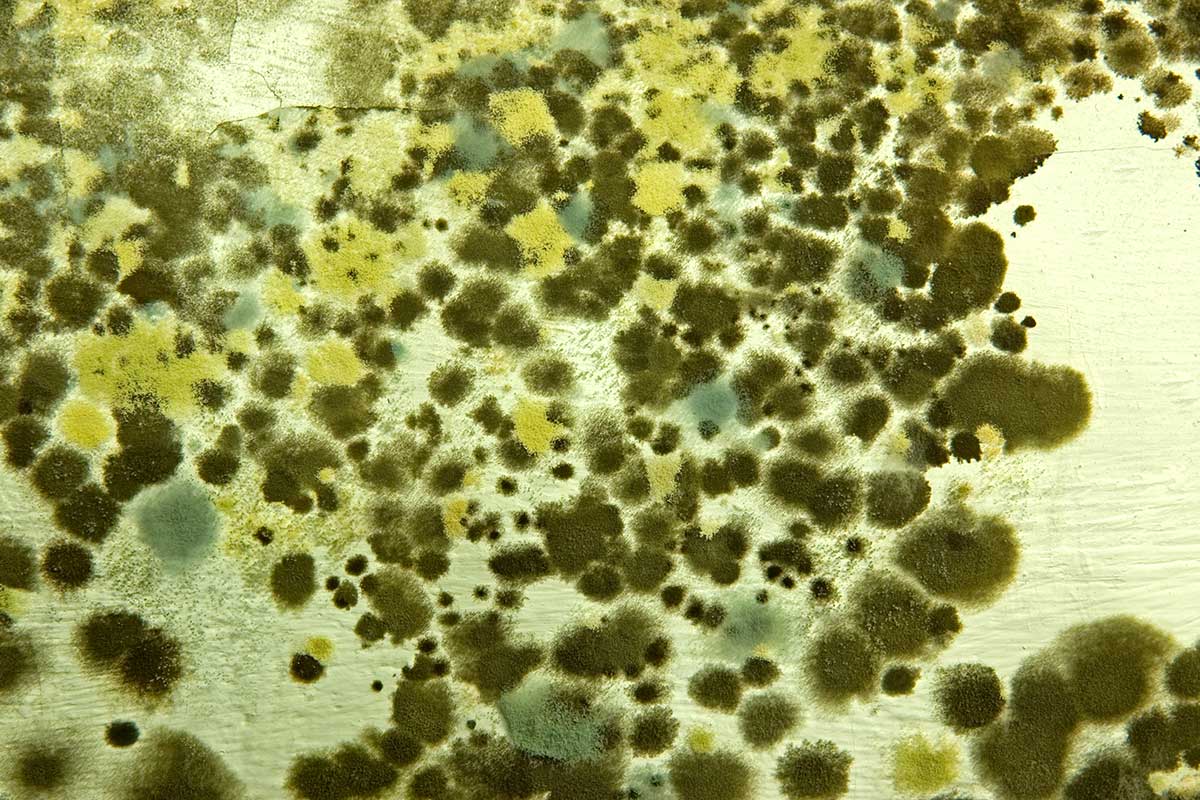
Air quality, indoors and out. Indoor air is often more polluted than outdoor air, thanks to off-gassing from furniture, carpets, paint, and cleaning products. Particulate matter, mold spores, and VOCs are among the most common indoor air concerns. Outdoor air pollution, particularly in urban or high-traffic environments, contributes to systemic inflammation and cardiovascular stress.
Processed foods and inflammatory oils. Ultra-processed foods are now estimated to make up over 50% of the average American's diet. They deliver a concentrated load of refined sugars, seed oils high in omega-6 fatty acids (corn, soybean, canola), artificial additives, and food dyes, all of which promote gut inflammation, dysbiosis, and metabolic dysfunction.
Light and noise pollution. Artificial light after dark, particularly the blue-spectrum light emitted by phones and laptops, suppresses melatonin, disrupts circadian rhythms, and impairs sleep quality. Chronic noise exposure (traffic, open-plan offices, urban environments) activates the sympathetic nervous system and raises cortisol even when you're not consciously aware of it.
Chronic stress and sleep deprivation. Psychological stress is one of the most potent, and most overlooked, environmental exposures. Chronic stress floods the body with cortisol and adrenaline, promoting inflammation, disrupting gut permeability, suppressing immune function, and accelerating cellular aging. Inadequate sleep compounds all of these effects, impairing the body's nightly detoxification and repair processes.
Your Personal Spring Cleaning Plan: Practical Steps
You don't need a dramatic overhaul. You just need meaningful reduction in your toxic burden. Here's where to start.
1. Home Detox: Switch to Low-Tox Products
Start with what you reach for most often. Replace conventional multi-surface cleaners and synthetic air fresheners with fragrance-free or naturally scented alternatives (vinegar, castile soap, and baking soda are remarkably effective). Move personal care products — shampoo, deodorant, lotion — toward options free of parabens, phthalates, and synthetic fragrance. Resources like the Environmental Working Group's Skin Deep database (ewg.org) make it easy to vet products by toxicity score. Swap plastic food storage containers for glass or stainless steel, and stop reheating food in plastic, ever.
2. Food Refresh: Eat for Detox Support
Spring is the perfect time to crowd out the inflammatory foods that burdened you through winter. Focus on:
- Cruciferous vegetables (broccoli, Brussels sprouts, cauliflower, kale, arugula), rich in sulforaphane and indole-3-carbinol, which actively support liver detoxification pathways
- Dark leafy greens (dandelion, spinach, chard), bitter greens have traditionally been used to support bile flow and liver function
- Alliums (garlic, onion, leeks), rich in sulfur compounds that support glutathione, the body's master antioxidant
- Adequate protein, essential for Phase II liver detoxification; don't undereat protein in the name of "cleansing"
- Hydration, the kidneys and lymphatic system depend on water to flush metabolic waste; aim for half your body weight in ounces daily
- Fiber, feeds beneficial gut bacteria and binds to toxins in the gut to prevent reabsorption
And reduce: ultra-processed foods, alcohol, added sugars, industrial seed oils, and anything that comes in packaging you can't identify.
3. Digital Declutter: Reduce Screen and Stress Exposure
Consider this the feng shui of your nervous system. Set a hard boundary for screens at least 60–90 minutes before bed. Remove social media apps from your phone or use app timers. Designate phone-free zones in your home (the bedroom, the dinner table). These aren't just productivity tips, they're direct interventions on your cortisol curve, your sleep architecture, and your nervous system's ability to recover.
For those concerned about EMF exposure from wireless devices, practical steps include using wired headphones, keeping your phone out of your bedroom at night, and not sleeping with a router next to your head.
4. Inner Environment: Detox the Mental and Emotional Clutter
The body doesn't distinguish between physical toxins and emotional ones, chronic resentment, anxiety, and unresolved grief all activate the same stress response pathways as environmental chemicals. Spring cleaning your inner environment might look like:
- Beginning a daily mindfulness or meditation practice (even 10 minutes has measurable effects on cortisol and inflammatory markers)
- Starting a journaling practice to process stressors and clarify intentions
- Spending time in nature, forest bathing (shinrin-yoku) has demonstrated reductions in cortisol, blood pressure, and sympathetic nervous system activity
- Evaluating which relationships, obligations, or commitments are genuinely nourishing and which ones aren't
Supporting Your Body's Natural Detox Systems
Your body already has a sophisticated, multi-system detoxification network. Spring cleaning isn't about forcing an unproven "cleanse", it's about removing barriers and providing support so that these systems can do their jobs.
The liver is your primary detox organ. It needs B vitamins, magnesium, selenium, and amino acids like glycine and glutamine to function optimally. Alcohol, processed foods, and excess medications all increase the liver's workload.
The gut is essential for eliminating toxins that the liver has processed. Without regular, healthy bowel movements, these compounds can be reabsorbed. Fiber, probiotics, and adequate hydration keep this pathway moving. Gut dysbiosis can impair this process significantly.
The lymphatic system is a drainage network that transports cellular waste, immune cells, and excess fluid. Unlike the cardiovascular system, it has no pump, it relies on movement. Regular physical activity, deep breathing, dry brushing, and hydration all support lymphatic flow.
The skin is the body's largest organ of elimination, excreting waste through sweat. Regular exercise that produces a sweat, and sauna use (when appropriate), can meaningfully support this pathway.
The kidneys filter blood and excrete water-soluble waste products. Staying well-hydrated, with filtered water when possible, is the most important thing you can do for kidney elimination.
The lungs exchange gases and expel volatile compounds. Breathing practices (such as pranayama or simple diaphragmatic breathing exercises) support this process, as does spending time in clean outdoor air.
Movement, sleep, hydration, and whole foods aren't just healthy habits, they are the basic infrastructure that keeps all of these systems running.
A Lighter, Cleaner Start to a New Season
You don't have to change everything at once. You don't need a dramatic purge. Once you start seeing your daily environment through the lens of the exposome, small choices become meaningful: the lotion you reach for, the produce you buy, the moment you put your phone down.
Each swap you make reduces burden on your body. Each swap accumulates into a lighter, cleaner baseline. And that baseline, over weeks, months, and years, is what we call resilience.